


Which Appliance Breaks Down the Most? The Real-World Repair Truth
If you search the internet for which home appliance breaks down the most, you will find endless pages of generic statistics. Most of those lists are put together by writers who have never actually held a nut driver or diagnosed a failing compressor.
In the appliance repair industry, the real-world data looks a bit different. Service calls are almost always for one of three things: a refrigerator that is failing to cool, a washing machine that is making loud, concerning noises, or a dryer that is leaking or shaking.
These are the big three. They are the highly disruptive, immediate-action failures that completely derail a household’s routine. But to know which appliance actually breaks down the most—and why—it is necessary to look past the basic statistics and talk about how modern appliances are built, how they are used, and the simple mistakes that cost homeowners thousands of dollars.
The Battle of the Generations: Why Newer Models Fail Faster
There is a common belief that older appliances are just waiting to die, while brand-new, high-tech smart appliances are a safer bet. The exact opposite is often true.
Older mechanical appliances were built to last. They had fewer moving parts, simple electrical circuits, and heavy-duty components. Today, regardless of the brand—whether it is Samsung, Whirlpool, GE, or any other major name—newer models are the most frequent victims of early breakdowns.
To meet modern energy standards and consumer demand for “smart” features, manufacturers pack newer appliances with complex electronics, delicate sensors, and computer boards. While these features are convenient, they introduce dozens of new points of failure. A single tiny power surge or sensor malfunction can completely shut down a brand-new, expensive machine, whereas an older, basic model would keep running without issue.
Refrigerators: Dirty Coils and Dangerous Defrosting
When a refrigerator stops cooling, it is an instant emergency. Food spoils by the minute, and household stress rises. While homeowners often panic and assume the compressor is completely dead, the root cause is usually much more straightforward—and sometimes self-inflicted.
The Dangers of DIY Defrosting
One of the most memorable and expensive issues occurs when a freezer’s automatic defrost cycle fails, and ice begins to build up. Instead of calling a technician, a well-meaning homeowner will often try to solve the problem quickly by chipping away at the ice with a knife, screwdriver, or metal tool.
It only takes one slip of the hand to puncture a tiny hole in the evaporator coils. Once that aluminum tubing is punctured, the refrigerant escapes, and what could have been a simple defrost repair suddenly turns into a major, highly expensive system rebuild or a completely ruined refrigerator.
The Silent Killer: Dirty Condenser Coils
If the coils aren’t punctured, the culprit is often a lack of basic airflow. Dirt, dust, and pet hair build up on the condenser coils underneath or behind the fridge. When these coils are choked, the refrigerator cannot release heat. It has to work twice as hard to keep food cold, eventually leading to faulty wiring, a burned-out start relay, or a completely failed compressor.
Laundry Room Disasters: Noise, Leaks, and Pocket Landmines
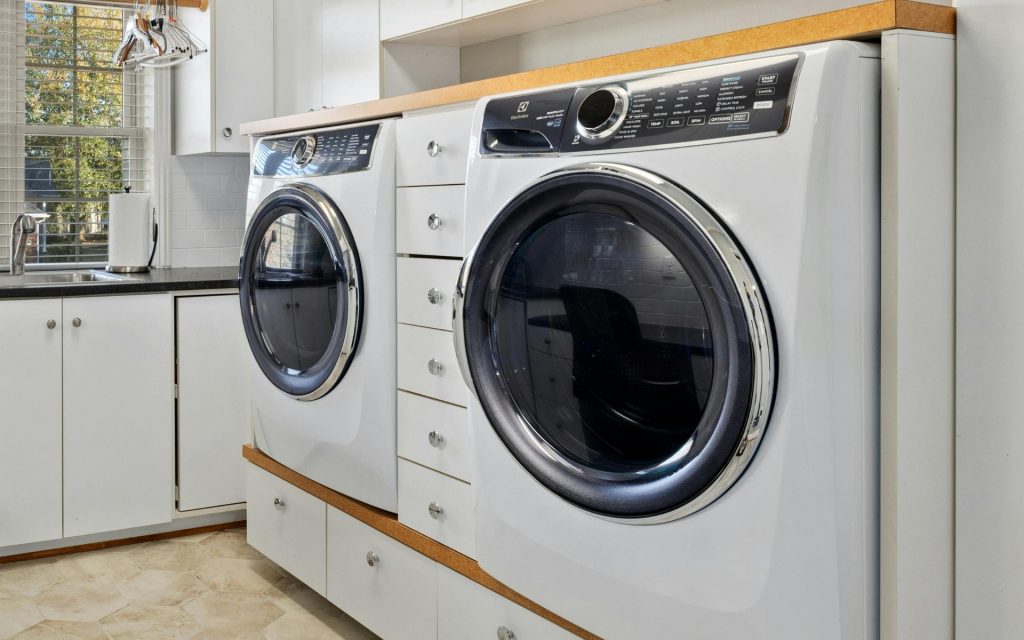
Washing machines and dryers are the workhorses of the modern home, which also makes them highly susceptible to user error. When service calls come in for loud banging noises, excessive shaking, or active leaks, the damage is usually caused by two common habits.
The Temptation to Overload
Doing fewer loads of laundry is always tempting, but stuffing a washing machine to the brim is a recipe for disaster. Overloading puts immense strain on the drive belt, the motor, and the tub bearings. Over time, that extra weight warps the spin basket and wears down the bearings, resulting in a machine that sounds like a jet engine taking off in the utility room.
The Tiny Objects Hidden in Pockets
It is amazing what gets pulled out of clogged pumps and damaged drums during repairs. Coins, screws, nails, bobby pins, and keys left in pockets are absolute landmines for laundry appliances.
- In a washing machine, a stray screw can easily puncture the outer tub seal, leading to a mysterious leak that ruins flooring.
- In a dryer, small metal objects can slip past the lint filter, tearing up the drum rollers or getting wedged in the blower wheel, causing loud thumping or grinding noises.
How to Stop the Breakdowns Before They Start
To drastically reduce the chances of appliances breaking down, expensive protection plans are not necessary. It just takes a shift in how appliance care is approached.
The first step is simply knowing the specific machine. Every brand and model has its own quirks and maintenance needs. While reading the manufacturer’s manual is a great starting point, the text can sometimes be dry and hard to translate into real life.
To make things easier, use the internet to find highly visual, easy-to-understand maintenance tips for specific model numbers. Most importantly, do not hesitate to ask a professional technician. A technician’s hands-on experience in the field is worth more than any generic online guide. The next time a technician is in the home for a routine fix, ask them what common issues they see with that specific model and how to prevent them. A little bit of preventative knowledge today can save thousands of dollars tomorrow.


