


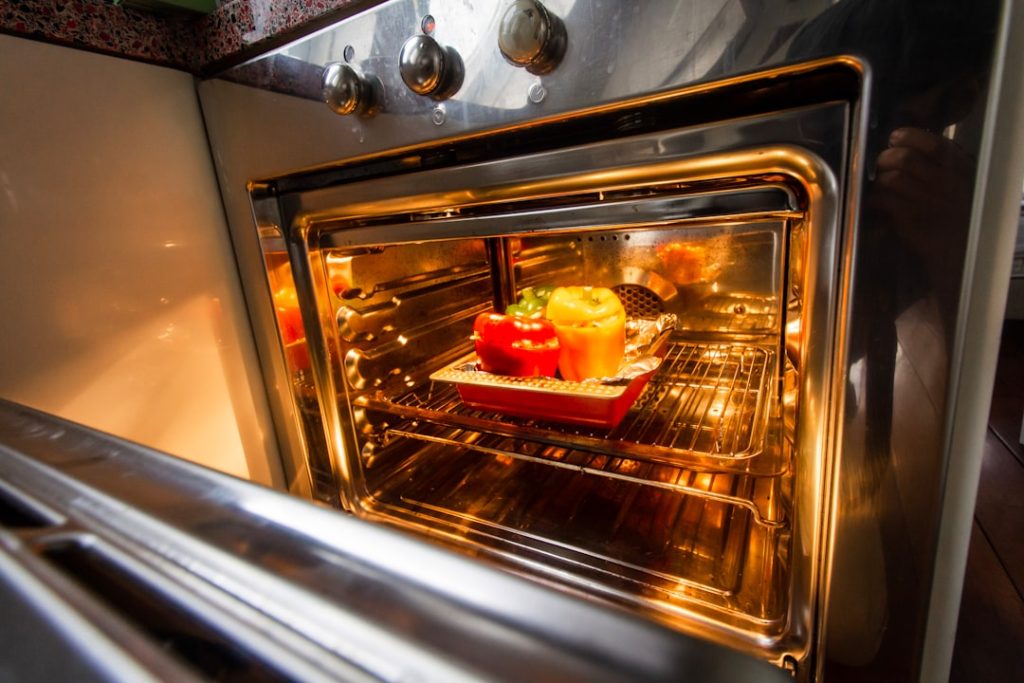
Let’s talk oven troubles. If your oven isn’t working right, chances are you’re dealing with one of a few common issues. These can range from simple fixes you might tackle yourself to problems that definitely need a professional touch. Knowing what kind of issue you have is the first step in getting your kitchen back to normal.
When your oven isn’t getting hot enough, or just not at all, it’s a real dinner-spoiler. This is a common complaint, and there are a few usual suspects.
Electric Oven Specifics
Electric ovens rely on heating elements to do their job.
- Failed Heating Element: This is probably the most frequent culprit. You might see a visible crack or blister on the element itself, or it might just look dull and not glow red. Top (broil) elements and bottom (bake) elements can fail independently.
- Malfunctioning Igniter (Gas Ovens): For gas ovens, the igniter’s job is to create the spark that lights the gas. If it’s weak or faulty, the gas won’t ignite, meaning no heat. You might hear the gas trying to flow but no flame, or nothing at all.
- Broken or Damaged Wiring: Over time, especially with heat exposure, the wiring connected to your heating elements or other components can fray, melt, or disconnect. This interrupts the electrical flow needed for heating.
- Controller Board Issues: The main control board is the brain of your oven. If it’s gone bad, it might not be sending the correct signals to the heating elements or gas valve, leading to no heat. This is often a pricier fix.
Gas Oven Specifics
Gas ovens have their own set of components that can falter.
- Weak or Faulty Igniter: As mentioned above, a failing igniter in a gas oven means no flame. You’ll likely smell gas slightly (which is normal before ignition) but won’t see a burner light up. A healthy igniter glows brightly before the gas ignites.
- Gas Valve Problems: The gas valve controls the flow of gas to the burner. If it’s stuck closed or not opening fully, gas won’t reach the igniter, leading to no heat. This is less common than igniter issues but can happen.
- Blocked Burner Ports: Food debris or grease can sometimes clog the small holes (ports) on your gas burner. If these are blocked, the flame will be uneven, weak, or not ignite properly in certain spots.
- Temperature Sensor Problems: Both electric and gas ovens use a temperature sensor to monitor the internal temperature. If this sensor is faulty, it will send incorrect readings to the control board, causing the oven to overheat or underheat. It might turn off too soon or stay on too long. This often looks like a small metal probe inside the oven cavity.
When dealing with common oven repair issues, it’s essential to also consider the maintenance of other household appliances to ensure they function optimally. For instance, maintaining your washing machine can be an easy New Year’s resolution that contributes to the overall efficiency of your home appliances. You can read more about this topic in the article Maintaining Your Washing Machine is an Easy New Year’s Resolution to Keep.
Oven Not Holding Temperature Properly
This is a subtle but frustrating problem where your oven heats up, but it’s either too hot, not hot enough, or wildly fluctuating. Your recipes are going to suffer.
Calibration Needs
Sometimes, the issue isn’t a broken part but a simple calibration problem.
- Temperature Sensor Out of Calibration: The temperature sensor (the probe typically found at the back or side of your oven) can drift out of calibration over time. This means it’s reading the temperature incorrectly, causing the oven to either overshoot or undershoot the desired setting.
- Thermostat Malfunction: In older or simpler ovens, a bimetallic thermostat directly controls the heating. If this thermostat isn’t working correctly, it won’t accurately regulate the heat.
- Drafts or Poor Insulation: Believe it or not, external factors can impact temperature. A faulty door seal (gasket) can let heat escape, or if your oven is near an open window or drafty area, it might struggle to maintain consistent heat. This isn’t usually the primary cause but can contribute.
Control Board or Thermostat Faults
These components are central to temperature regulation.
- Control Board Logic Errors: The electronic control board manages all aspects of the oven, including temperature cycles. A glitch or fault in the board’s software or hardware can cause erratic temperature behavior. This often manifests as the oven heating irregularly or displaying incorrect temperatures.
- Faulty Thermostat (Mechanical): In older models or some basic ovens, a mechanical thermostat uses a sensing bulb and capillary tube to regulate temperature. If this component is damaged or malfunctioning, it won’t be able to accurately tell the heating elements to turn on or off at the right times.
- Uneven Heating Element Wear: In electric ovens, if one part of a heating element is failing or less efficient than the rest, it can lead to hot and cold spots within the oven cavity, making it difficult to cook evenly.
Oven Door Issues
A properly functioning oven door is crucial for safety and efficiency. Problems here are often noticeable.
Seal and Hinge Problems
These are the most common door-related issues.
- Damaged Door Gasket/Seal: The rubber or woven fiber gasket around the oven door creates a seal to keep heat in. If it’s torn, brittle, or loose, heat will escape, leading to longer cooking times, uneven cooking, and higher energy bills. You might feel heat escaping around the door.
- Broken or Loose Hinges: The hinges support the weight of the oven door and allow it to open and close smoothly. If they become bent, loose, or break, the door won’t close properly, creating gaps for heat to escape. This can also make the door feel wobbly.
- Misaligned Door: Sometimes the door itself can become crooked, preventing a tight seal. This might be due to worn hinges, heavy usage, or physical impact. You might notice the door doesn’t sit flush with the oven frame.
Latch and Glass Problems
These issues might affect safety or cleaning particularly.
- Broken Door Latch (Self-Cleaning Feature): Many ovens have a latch system for their self-cleaning cycle. If this latch is broken, the self-cleaning feature won’t engage, as the door needs to be securely locked during the high-temperature cycle for safety.
- Cracked or Shattered Door Glass: The inner or outer pane of the oven door can crack or shatter due to impact, thermal shock (rapid temperature changes), or just old age. This is a safety hazard and needs repair, as it compromises insulation and can release glass shards.
- Inner Glass Pane Dropped: Sometimes the inner pane of glass can slip from its retaining brackets, especially if the door has been opened and closed forcefully or if the brackets themselves have worn out. This also compromises insulation and can be a cosmetic flaw.
Col-Tech Appliance Repair Service Map Location is where you can find the exact location of our repair service.
Malfunctioning Self-Cleaning Cycle
The self-cleaning cycle, while convenient, can sometimes cause problems or simply refuse to work.
Latch and Sensor Issues
These are often at the core of self-cleaning problems.
- Faulty Door Latch Assembly: As mentioned regarding door issues, the self-cleaning cycle requires the door to be securely locked for safety. If the latch mechanism is broken, stuck, or not engaging properly, the cycle won’t start. You might hear a clicking sound but no lock.
- High Limit Thermostat Failure: The self-cleaning cycle operates at very high temperatures. A high limit thermostat is a safety device designed to cut power if the oven gets too hot during this process. If this thermostat fails prematurely, it might prevent the self-cleaning cycle from starting or cause it to shut down unexpectedly.
- Control Board Malfunction: The oven’s control board manages the entire self-cleaning process, including temperature regulation and latch engagement. If there’s an issue with the board, it might not initiate the cycle or might shut it off prematurely.
Post-Cleaning Residual Problems
Sometimes the issue appears after a cleaning cycle.
- Oven Not Igniting After Self-Clean: This is a common occurrence. The extreme heat of the self-cleaning cycle can sometimes damage other components, particularly in gas ovens. Igniters are susceptible to this high heat and may fail afterward. Electrical connections can also become brittle.
- Odor Persisting After Self-Clean: While some odor is normal during and immediately after a self-cleaning cycle, a persistent, strong, burning smell might indicate that the cleaning process didn’t fully burn off all residue, or there’s an issue with residual cleaning solution (if used incorrectly).
- Oven Tripping Breaker During or After Self-Clean: The self-cleaning cycle draws a lot of power. If your electrical circuit is overloaded, or if a heating element was already on its way out, the high demand during the self-clean can trip the circuit breaker. A short in a component exposed to the high heat could also be at fault.
When dealing with common oven repair issues, it’s essential to understand the various problems that can arise and how to address them effectively. For instance, if your oven isn’t turning on, it can be frustrating and may require troubleshooting to identify the underlying cause. To learn more about what steps to take in such a situation, you can read this informative article on what to do if your oven isn’t turning on by following this link. Understanding these issues can help you determine whether a simple fix is possible or if you need to call in a professional for repairs.
Control Panel and Display Problems
| Common Oven Repair Issues |
|---|
| 1. Oven not heating up |
| 2. Uneven cooking |
| 3. Faulty temperature control |
| 4. Broken door seal |
| 5. Igniter not working |
| 6. Oven not turning on |
The control panel is your interface with the oven. When it acts up, it makes using the appliance difficult or impossible.
Display and Button Issues
These are often visible and directly impact usability.
- Flickering or Dead Display: The digital display might become dim, flicker intermittently, or go completely blank. This usually points to a problem with the display panel itself, the ribbon cable connecting it to the main control board, or the control board’s power supply.
- Unresponsive Buttons: Buttons might become sticky, not register presses, or only work intermittently. This can be due to debris under the buttons, worn contacts within the button mechanism, or a fault with the membrane switch panel.
- Error Codes Appearing: Modern ovens often display specific error codes when something is wrong. Consulting your oven’s manual for these codes can help pinpoint the exact issue. These codes can range from sensor faults to door lock problems.
- Touchpad Malfunctions: For ovens with touch-sensitive controls, streaks, moisture, or even static electricity can cause erratic behavior. A deeper issue might involve a faulty touch sensor or the underlying control board.
Electronic Control Board Problems
The control board is the brain controlling everything, and when it’s sick, things go haywire.
- Oven Not Responding to Commands: If you press buttons and nothing happens, or the oven doesn’t start cooking when commanded, it often points to a communication breakdown between the control panel and the main control board, or a failure of the control board itself.
- Settings Not Sticking: You might set a temperature or timer, only for the oven to revert to default settings or display something else entirely. This indicates a problem with the control board’s memory or its ability to process and retain commands.
- Random Beeping or Lights: An oven that randomly beeps, flashes lights, or turns on/off by itself is a strong indicator of a control board malfunction. It’s often due to electronic glitches, power surges, or age-related component failure.
- Power Surges or Fluctuations: Just like any electronic device, an oven’s control board is vulnerable to power surges or consistent fluctuations in your home’s electrical supply. These can “fry” components on the board, leading to a variety of unpredictable issues.
If you’re facing any of these problems, while some DIY solutions are possible (like checking your circuit breaker or cleaning a gasket), many require specialized knowledge and can be dangerous to attempt without proper training. Electrical and gas appliances are not something to mess around with if you’re unsure. When in doubt, call a qualified technician. They have the tools and expertise to diagnose and safely repair these common oven repair issues.
FAQs
What are common oven repair issues?
Some common oven repair issues include heating element problems, faulty igniters, malfunctioning thermostats, broken door seals, and issues with the control panel or electronic controls.
How can I tell if my oven’s heating element is faulty?
Signs of a faulty heating element in an oven include uneven cooking, the oven not reaching the desired temperature, or visible damage to the element such as cracks or breaks.
What are the symptoms of a malfunctioning thermostat in an oven?
Symptoms of a malfunctioning thermostat in an oven can include inaccurate temperature readings, uneven cooking, or the oven not heating up to the set temperature.
What should I do if my oven door seal is broken?
If the oven door seal is broken, it should be replaced to ensure proper heat retention and cooking performance. A broken door seal can lead to energy inefficiency and uneven cooking.
How can I troubleshoot issues with my oven’s control panel or electronic controls?
If you are experiencing issues with your oven’s control panel or electronic controls, you can try resetting the oven by turning off the power at the circuit breaker for a few minutes. If the problem persists, it may require professional repair or replacement.


