


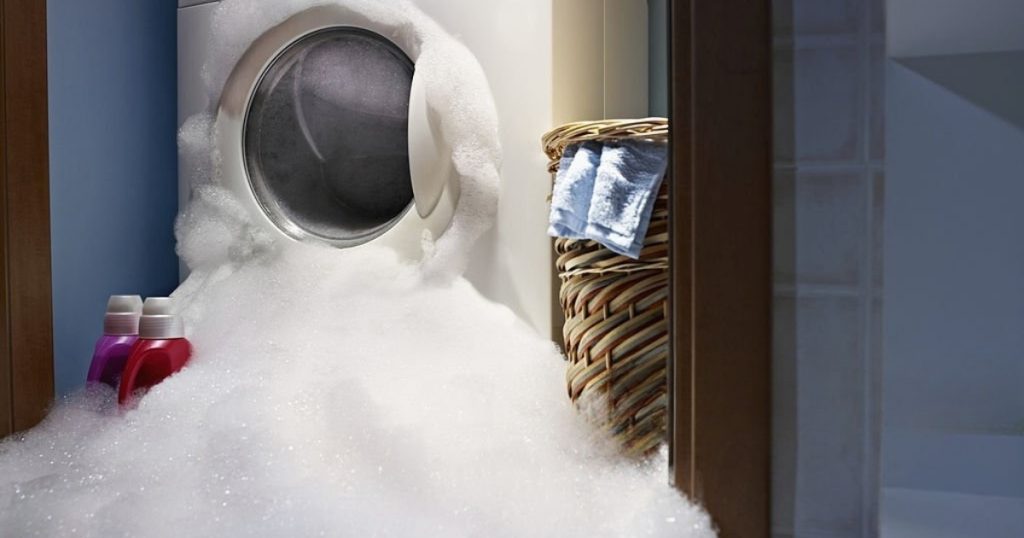
An overflowing washing machine isn’t just a mess—it can lead to serious water damage and costly repairs. At Col Tech Appliance Services, we often get calls about this issue, and the good news is: it’s usually caused by a few common problems.
Why is my washing machine overflowing with water?
Overflowing typically happens when the water level isn’t being properly controlled. This could be due to a faulty water inlet valve, a malfunctioning pressure switch, or a clogged drain hose.
What is a faulty water inlet valve?
The water inlet valve controls the flow of water into your washer. If it’s stuck open or electrically damaged, water may continue to fill the tub even when it should stop—leading to overflow.
Can a pressure switch cause overfilling?
Yes. The pressure switch detects water level in the tub. If the switch or its hose becomes clogged or broken, the machine won’t “know” when to stop filling. This is one of the most common culprits of overflows.
Could the problem be with the drain?
Absolutely. A blocked or slow drain hose can prevent water from exiting properly, causing it to back up and overflow—especially during the spin cycle.
Should I stop using the machine if it overflows?
Yes. Immediately turn off the washer and unplug it. Continuing to run it could make the issue worse or cause electrical damage. Call a professional to inspect it as soon as possible.
Conclusion
A washing machine overflow is usually caused by a faulty water inlet valve, a broken pressure switch, or a drainage issue. Ignoring these signs can lead to serious damage. When in doubt, contact Col Tech Appliance Services for fast and reliable washer repair—so you can get back to laundry day without the flood.


